The Shadow of Ignorance: How ALE Can Illuminate the Law
Malawi
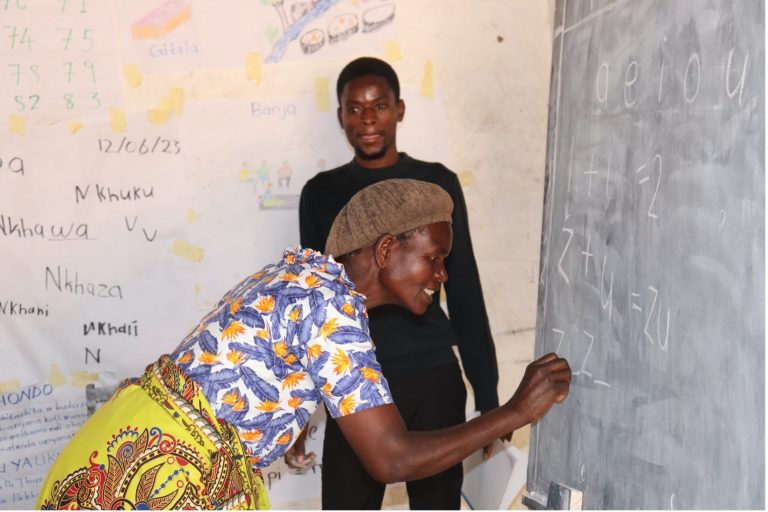
In the vast expanse of Africa's rural landscapes, a silent obstacle hinders the pursuit of justice and equality: ignorance of the law. Like an invisible shroud, it envelops citizens, rendering them unaware of their rights and responsibilities. The age-old maxim "ignorance of the law is no excuse" rings hollow when the very fabric of society is woven with threads of unawareness.
In law, ignorantia juris non excusat (Latin for "ignorance of the law excuses not"), or ignorantia legis neminem excusat ("ignorance of law excuses no one"), is a legal principle holding that a person who is unaware of a law may not escape liability for violating that law merely by being unaware of its content.
Section 7 of the Malawi Penal Code reads: ‘Ignorance of law does not afford any excuse for any act or omission which would otherwise constitute an offence unless knowledge of the law by the offender is expressly declared to be an element of the offence.’
Every person in Malawi is presumed to know that the laws pertaining to certain areas exist even though in reality, they have not read or even heard about these laws before. In short, every citizen is required to keep abreast of legal developments.
For example, Section 44 of Malawi’s Environmental Management Act stipulates that “No person shall pollute or permit or cause any other person to pollute the environment.” However, walking around various urban areas in Malawi, one’s eyes are greeted with a lot of pollution which includes careless disposal of used thin plastic bags and diapers. Most of these polluters are not aware that there is a law somewhere which prohibits such practices. Ignorance of the law causes people to unknowingly violate it.
In the face of this challenge, Adult Learning and Education (ALE) emerges as a beacon of hope. By providing accessible and inclusive educational opportunities, ALE sensitises citizens to the laws that govern their lives. Through interactive workshops, community-based programmes, and literacy classes, ALE can demystify legal jargon and empower individuals to navigate the complex web of regulations and statutes.
In rural Africa, where access to information is limited, ALE can be a lifeline. By partnering with local organisations and community leaders, ALE programmes can reach the most marginalised and disadvantaged populations. Through grassroots initiatives, citizens can gain a basic understanding of their country's laws, enabling them to assert their rights, challenge injustices, and participate in the democratic process.
ALE empowers citizens to navigate the legal system, access justice, and demand accountability from those in power. As awareness grows, so too does the potential for a more just and equitable society.
In the words of Nelson Mandela, "Education is the most powerful weapon which you can use to change the world." By harnessing the power of ALE, communities can illuminate the path to justice, equality, and human rights. Communities should embrace ALE as a catalyst for change. This will help dispel the shadow of ignorance, hence empowering citizens to claim their rightful place in the pursuit of justice and freedom.