Learning Visit at Ruvu JKT Community Learning Centre (CLC)
Tanzanie
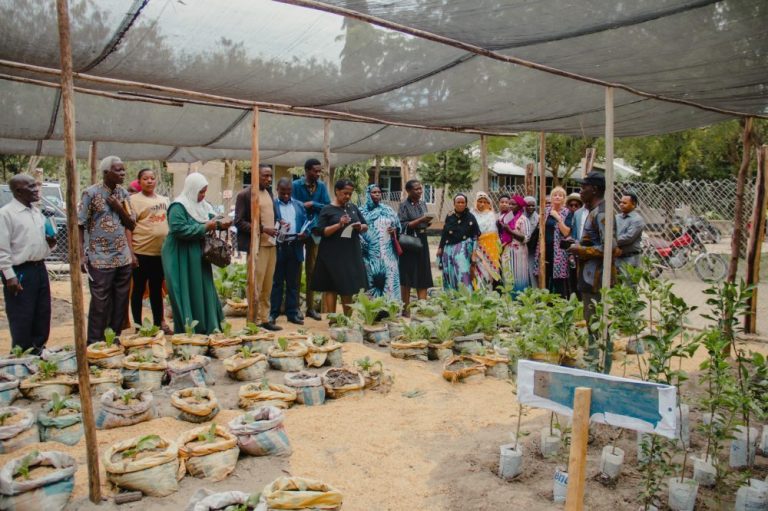
On a slightly rainy but pleasant day, a diverse group of stakeholders gathered at the Ruvu JKT Community Learning Centre (CLC) for an important learning visit. The event brought together representatives from various educational and governmental bodies, both from mainland Tanzania and Zanzibar, as well as community members and development partners. The Peer Learning Visit took place on July 12, 2024, in Kibaha DC. The objectives were to share collective expertise and insights from the Community Learning Centre, expose the ANFE TWG and other participants to the functional CLC Model, and strengthen Adult Learning and Education services in some pilot districts.
The event was attended by a wide range of participants from central and local government, as well as partners and members of the CLC. The day began with a courtesy call to the District Executive Director's (DED) office in Kibaha, followed by a warm and festive welcome at the Ruvu JKT CLC, which included traditional dancing that delighted the guests. The attendees were all smiles, reflecting the positive energy and excitement for the day’s activities.
The CLC Coordinator kicked off the visit with an insightful presentation about the Centre’s history, its establishment, and the various educational and developmental activities it offers. This was followed by a brief introduction to the CLC Management Committee and their roles in ensuring the smooth operation of the Centre. Other delegates were also introduced by the District Education Officer (DEO), explaining their roles and organisations.
Touring the CLC Compound
The participants were divided into various groups to tour different sections of the CLC activities:
1. Demonstration Plot and Garden:
The attendees gained knowledge about sustainable agricultural techniques. They were particularly intrigued by the topics of mulching for water conservation, grafting in plants, optimizing plant spacing for better growth and the use of nets to create plant sheds, especially in dry areas like Kibaha.
2. Fishpond:
This tour highlighted how the community has benefited from aquaculture training provided at the Centre. Some community members have started their own fish farming businesses, showcasing the practical impact of the CLC’s programmes, which has been supported by DVV international. Participants had the chance to ask questions to the District Aquaculture Officer and engage in discussions to gain deeper insights into the world of fish farming.
3. Entrepreneurial Exhibitions:
Participants visited various stalls where local entrepreneurs displayed their products, such as food crops, tailored clothing, arts and crafts, cooking oil, peanut butter and small-scale food processing products. This event vividly demonstrated how the entrepreneurship skills training provided by the CLC is helping communities establish small businesses and develop their entrepreneurial abilities for income generation and resilient livelihoods.
4. The Community Learning Centre (CLC) Facilities
This allowed participants to explore the various services available at the CLC, such as literacy classes, vocational training, library access, and the information centre. They engaged with the CLC Coordinator, Community Facilitators, DAEO and learners, gaining firsthand insights into the centre’s operations and its community impact. Additionally, they learned about some of the achievements since the CLC's establishment, including the setup of water infrastructure, electricity, fencing, furniture (tables, cabinets, and bookshelves), chairs, a generator, television and decoder, PA system, board, construction of concrete desks (vimbweta), construction of toilets, opening of a savings bank account for the CLC and the provision of tools for the demonstration farm such as seeds, fertilizer, and fencing, all of which is supported by the Kibaha DC.
After touring the CLC, the participants had time to reflect and share what they had learned from the visit. This reflective session allowed them to consolidate their observations and discuss the potential for implementing similar initiatives in their regions. Here are some of the observations of various participants.
• TENMET: Noted the significant benefits the community is reaping from the CLC programmes.
• IAE: Praised the effective implementation of training programs, evidenced by the tangible outcomes testified by the group of entrepreneurs and other CLC beneficiaries.
• MOEST: Emphasized the value of hands-on training that doesn’t necessarily require certification but profoundly impacts the learners. "The training received has been mind-blowing and effective, enabling learners to acquire skills quickly and efficiently."
• PoRALG: Advocated for more professionals from various sectors to offer their services at the CLC to meet community demands. "The Centre should belong to the community, incorporating professionals from health, finance, agriculture, and more to ensure it meets the diverse needs of the people."
• Zanzibar Delegates: Expressed a keen interest in replicating the CLC model in Zanzibar, acknowledging the extensive learning from the visit. "We have learned a lot and there is much work to be done. We aim to implement these insights in Zanzibar with DVV's support."
• NACTEVET: Reflected on the progress made and the potential for further development through community initiatives. "Self-reflection on our progress shows that with effort, we can achieve significant results and improve our lives."
Watch a short video showing the feedback and observations of the participants:
https://youtu.be/xTjDwpQ6l6o?s...
After lunch, the event continued with a comprehensive presentation by the Regional Director East and Horn of Africa for DVV International Frauke Heinze who shared the journey towards reviewing the Integrated Community-Based Adult Education (ICBAE) guidelines, explaining the reasons for the review and the process involved. She highlighted the key features of the revised ICBAE program, emphasizing its focus on practical, hands-on training that addresses the specific needs of adult learners. Dr Sempeho Siafu, from the IAE, emphasised competence-based learning and recognition of non-formal learning in a presentation.
The visit concluded with an engaging discussion on the future of adult education and community learning. The participants shared their insights and discussed potential strategies for further enhancing the impact of the CLCs. The day ended on a high note with a group picture, capturing the collaborative spirit and positive outlook for continued development and change.
This learning visit not only showcased the successes of the Ruvu JKT CLC but also reinforced the importance of community-based education and the power of collective efforts in driving sustainable development. As the DEO aptly put it, "By bringing people together and providing relevant training, we can transform lives and communities."