From Poverty To Prosperity: Available Options
Afrique du Sud
Food insecurity affects a large number of households in South Africa. According to Stats SA, about 16% of households, that is 3.7 million, have inadequate to severely inadequate access to food. However, community programmes do exist beyond the formal labour market that are helping to provide people with an income and a source of food.
“We conscientize the community that food comes from the soil and is healthier and more nutritious” says Sizwe Manqele from Ikamva Community Cooperative food garden in Khayelitsha. He adds that the Cooperative keeps the seeds, grows vegetables and sells them as a means of income generation. This income in turn is used to teach children to grow food at home and to maintain the programme.
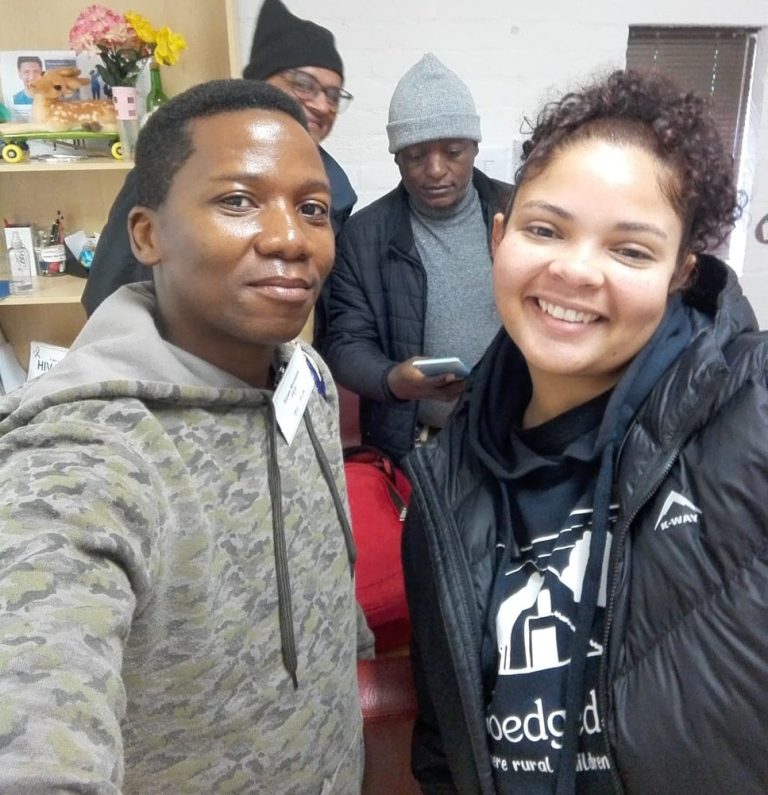
In rural areas, The First 1000 Days programme based on Goedgedacht farm near Malmesbury, Western Cape, uses the approach of turning poverty into prosperity. This involves providing children with basic necessities, and holding workshops on domestic violence and life skills.
Jonbenay ‘JB’ Prins is the auxiliary social worker for the farm programme, which also works with the Department of Health. According to Prins, farm workers sometimes have a dependency on alcohol and spend their wages on it. “Mostly young mothers are taking part in our programmes and we follow the need and not the pamphlet [of programme activities] during farm visits’’ added Prins.
‘’The Leaking Bucket [a budgeting method] is used to help [keep] track of household spending’’ says Anna Nobangela, a co-worker. The participants work out visually, using the symbol of a leaking bucket, just how much of their income leaks out on different household items such as alcohol, compared to clothes and food. They then determine how they can change their spending habits.
Another example of such a community-based programme is Heal The Hood. Based in Grassy Park, Western Cape, it focuses on dance and music. It conducts workshops which demonstrate how income can be generated through dance, poetry, making t-shirts and music. All of these activities are taking place in impoverished communities.
Likewise, the 18 Gangster Museum is helping to keep young people away from gang activities. It operates carwash services to generate income for the individuals who take part.
If programmes like these can be expanded nationally, they have the potential to create circular economies, where community members work together to generate income and prosperity locally.