Skip to content

The Home of Africa’s Adult Education Community

Magazine

The Magazine aims to promote the sharing of articles on topics relevant to the community of ALE professionals and practitioners in Africa – with a focus on new, topical information relating to the sector including new methods and approaches.


Order by:
  • /uploads/_768xAUTO_crop_center-center_none/8259/La-formation-en-gestion-des-AGR.jpg

    Mieux gérer les activités génératrices de revenus - Mali

    fr

    | Mae Fastner | DVV International Integrated approach to ALE

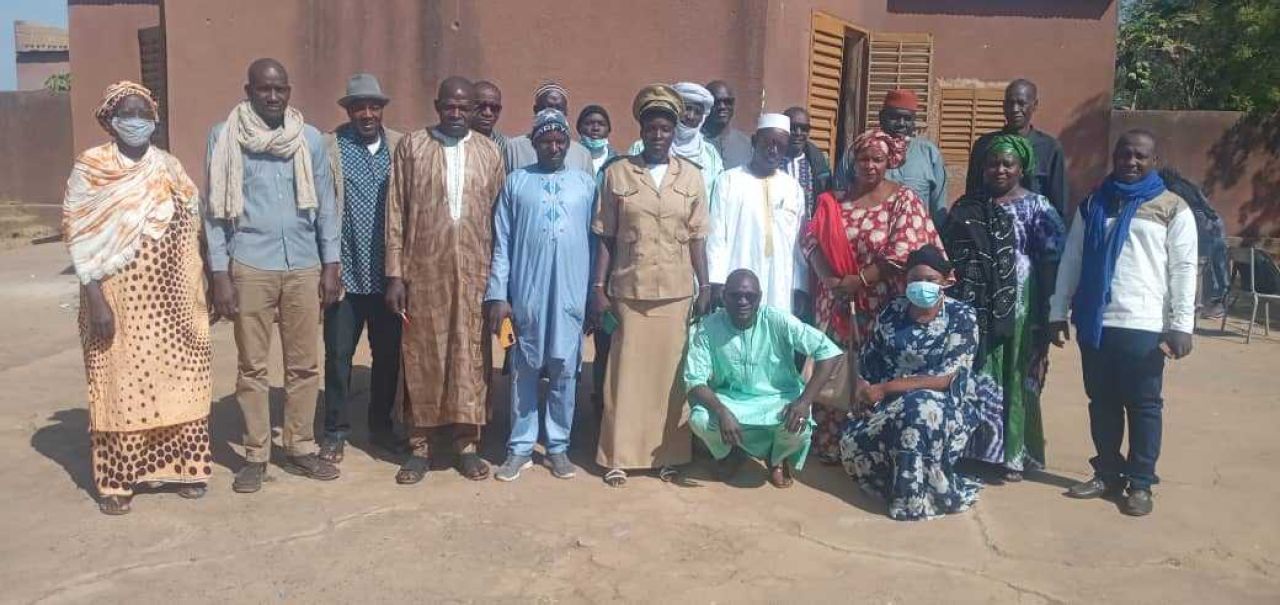
    Les apprenants des cercles d’alphabétisation REFLECT des communes de Sio, Konna et Fatoma (Mali) renforcés pour bien gérer leurs activités génératrices de revenus.

    Read More
  • /uploads/_768xAUTO_crop_center-center_none/Atelier_Togo_Renforcement_des_capacites.jpg

    Renforcer quelles compétences au Togo? - Togo

    fr

    | Wakilou Ouro-Okourou, Mae Fastner | DVV International

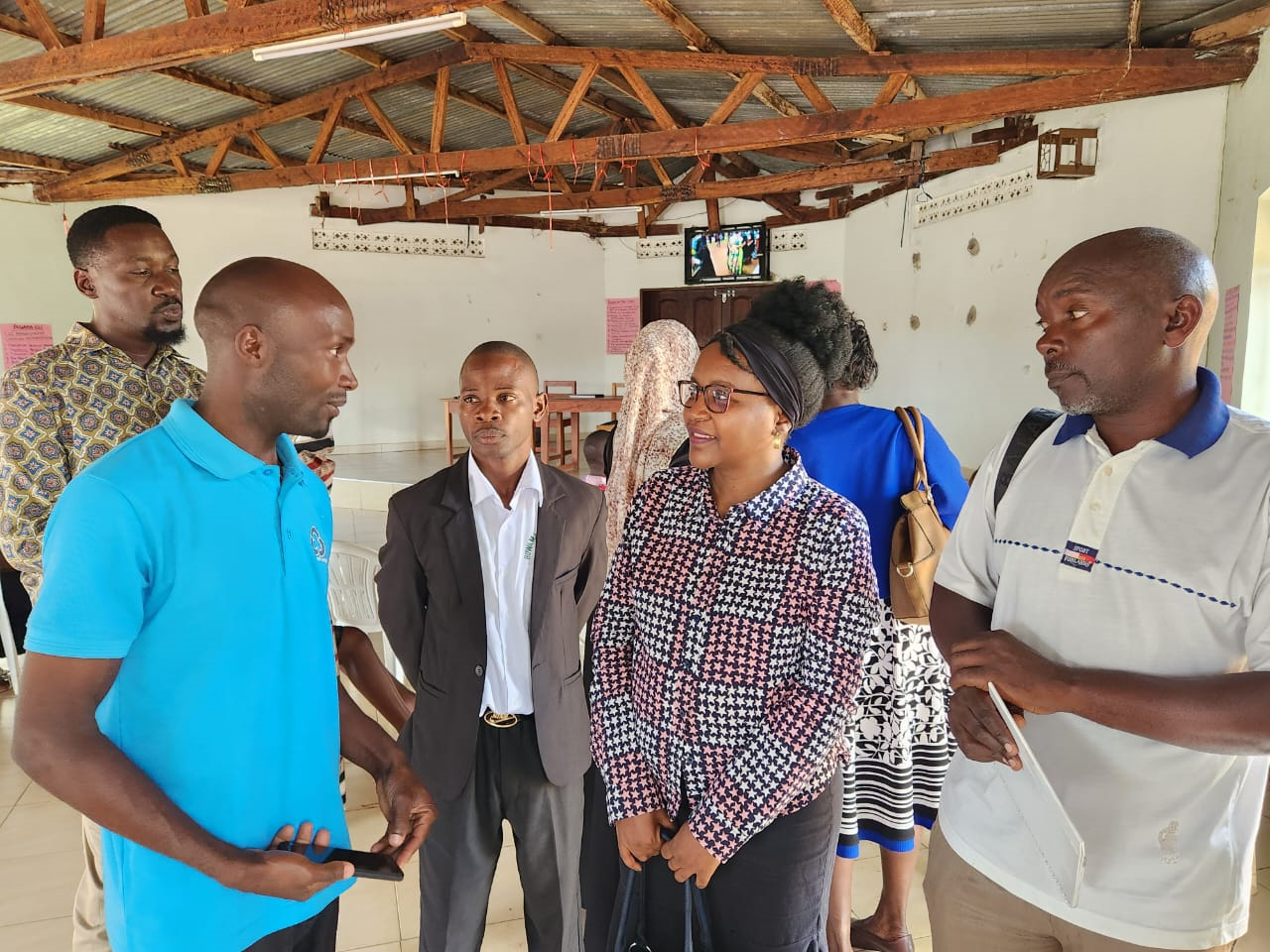
    Afin de préciser ses interventions au Togo, DVV International a organisé des ateliers pour comprendre les besoins du développement des compétences au Togo.

    Read More
  • /uploads/_768xAUTO_crop_center-center_none/Mme-Fatoumata-Coulibaly.jpg

    "Une immense opportunité" - Mali

    fr

    | Yaya Boly Sanogo, Mae Fastner | DVV International

    Témoignage de Mme Fatoumata Coulibaly sur son usage des nouvelles technologies à la vulgarisation des innovations agricoles dans le cadre de sa participation dans une formation dans le projet «Centre d'Innovations Vertes» de DVV International au Mali.

    Read More
  • /uploads/_768xAUTO_crop_center-center_none/airpollutionandcovidsmall.jpg

    Pollution adds to COVID-19 deaths, says scientists - South Africa

    en

    | Tony Carnie ALE under Covid-19

    Tony Carnie's article brings into focus the relationship between COVID-19 deaths and comorbidities resultant from exposure to high levels of air pollution. Whilst this article focuses on the South African context, the author provides statistics from a number of countries globally. The article draws attention to the urgency for minimum pollution emission standards and the need for alternative energy sources that do not affect the health of citizens.

    Read More
  • /uploads/images/_768xAUTO_crop_center-center_none/jennifer-coffin-grey-uzhulj1gifY-unsplash.jpg

    South Africa is the most unequal country in the world - South Africa

    en

    | Lauren Graham | University of Johannesburg ALE under Covid-19

    The COVID-19 pandemic has brought this reality into sharp focus. In this article, the author focuses on inequalities related to living circumstances, livelihoods, education, access to the internet and food security. In the concluding section of the article, the author offers measures necessary as part of addressing deepening inequality in South African society.

    Read More
  • /uploads/images/_768xAUTO_crop_center-center_none/kojo-kwarteng-n5duzZWYReQ-unsplash.jpg

    The Digital Learning Divide - South Africa

    en

    | Zandile Bangani., 18 June 2020 ALE under Covid-19

    This article focuses on how online learning during the Covid-19 pandemic further exposes the digital divide in South Africa. A few students and an academic share their experiences throughout the article, highlighting the difficulties with online learning. Not only are these difficulties to do with issues such as poor connectivity, high data costs, lack of access to hardware and inadequate online training, but also home environments that are not conducive as learning spaces. For example, many poor homes are small and shared by a number of family members, and creating a learning space may be very difficult or even impossible to create. This article emphasises that online learning does not simply level the playing field or somehow erase social inequality. When students are expected to transfer from face-to-face to digital learning, the conditions and context in which people live - which extend beyond just learning (such as having little or no food) - are brought to the fore. Education is part of a system of inequity and injustice and the online learning experience during the pandemic highlights this.

    Read More
  • /uploads/_768xAUTO_crop_center-center_none/digital-dreams-1155366-1600x1200.jpg

    Kenyan Universities face big challenges going digital. But it can be done

    en

    | Shehu Shagari Awandu., 29 June 2021 | Jaramogi Oginga Odinga University of Science and Technology ALE under Covid-19

    This article, written by an academic working at a university in Kenya, takes a critical look at online learning and how it was propelled by the COVID-19 pandemic into higher education. The author points out that online learning cannot simply replace face-to-face learning as some sort of panacea. In the Kenyan context, as in many other African countries, online learning has a number of negatives, such as issues to do with poor connectivity, high data costs, an unstable power supply, an inability to do practicals or field work and even write examinations. The author proposes a number of things that are needed in order to make digital learning work better. He also points out a number of challenges, such as that “only 40%” of the Kenyan population use the internet and very few universities have well developed IT infrastructure and staff who can oversee such systems. He offers a number of suggestions and solutions, such as blended learning. While the article takes a critical look at online learning, the author believes that with sufficient resources and infrastructure, digital learning should be part of the learning experience, remembering that “one size does not fit all”.

    Read More
  • /uploads/_768xAUTO_crop_center-center_none/labourer-1436010-1279x952.jpg

    Covid and Livelihoods

    en

    | Authors: Kunel Sen, Michael Danquah, Robert Darko Osei & Simon Schotte., 21 March 2021 ALE under Covid-19

    Lockdowns imposed by governments all over the world has had significant impact on workers. As a result, several scholars have reflected on the impact of COVID-19 lockdowns on formal and informal labour markets. In this article, the focus is on the relationship between lockdown strategies and the labour market. The authors argue for targeted policies that offer protection for vulnerable groups including women, informal workers and those in low-income jobs.

    Read More