Time to change the development narrative
Malawi
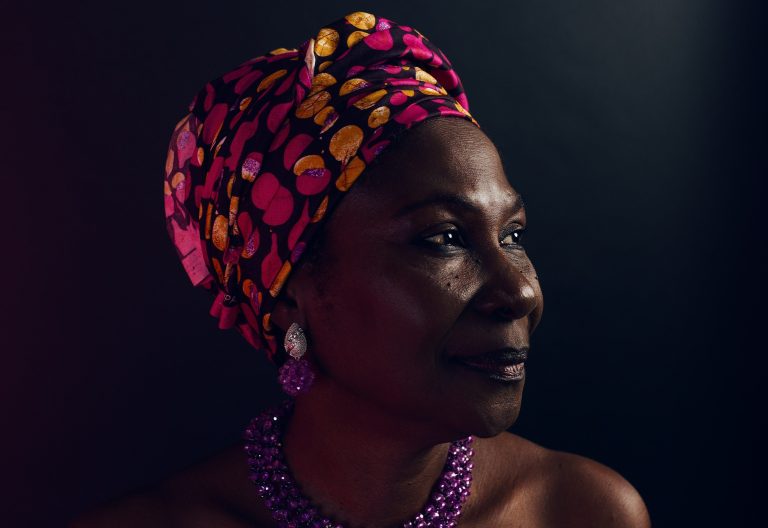
Far from the myths regarding older men and women in our communities, there is evidence of the productivity, creativity, vitality, and participation of older adults in workplaces, community activities and household errands as demonstrated by the new broom in town, Jetu. At 74, the extra-ordinary music artist, Jetu, is enjoying the headlines across the country.
It is widely known that that we are living through a time of unprecedented global population growth. But less well-known is the fact that the world is also ageing; there are currently 868 million older men and women in the world and. By 2050, this will have reached more than 2 billion, with more people aged 60 and over than children under 16. This demographic shift should inform our development planning. Yet to listen to most discussions about development planning in Malawi, you could be forgiven for thinking that it was only younger people who mattered most in our country.
It is no longer a matter of choice. The development discourse is clear that we need to consider ageing not as a burden but as a triumph of development, with older people not a problem but part of possible solutions - that Malawi needs. This will be a catalyst towards the much-needed paradigm shift from being a predominantly importing and consuming country to a predominantly producing and exporting country. It requires the participation of every Malawian, regardless of age.
The monthly allowance scheme, as touted by the Malawian Tonse Alliance government during the campaign for the court-sanctioned June 2020 elections, is a step in the right direction. It is widely acknowledged that people experience different challenges and have different needs at different stages of life, hence the need to adopt well-rounded lifelong approaches to learning. We all have the right to be supported to fulfil our potential at every age, in childhood, youth, middle-age and later life.
Painfully, people are growing old in a world which is increasingly unequal, but also one where demand for participation in decision-making and accountability is ever stronger. As the world becomes more connected, new technologies are reaching into the lives even of the poorest, enabling the spread of information and the development of advocacy by all citizens, helping to increase government accountability. This has the potential for changing all of our lives as we age.
We cannot continue to keep the elderly in the backseat when it involves decision-making on issues affecting their lives. The twenty-first century provides the elderly an opportunity to be part of the decisions that affect their lives. The knowledge, skills and resilience which come from lifetimes of experience need to be harnessed. Everyone has an equal right to a life of dignity and continued development - at every stage of life - and we all need to create opportunities that enhance and support our continued growth and personal development in old age.
Patterns of health and disease are also changing. The rise of non-communicable diseases (NCDs) such as heart disease, stroke, cancers and Alzheimers, once seen as a challenge only in wealthy countries, is now affecting all societies. Both low and middle-income countries now have the highest global prevalence, and lowest treatment rates, for major NCDs. The challenges of physical and mental frailty are also growing with increasing longevity. In Malawi, this means that the extra burden of non-communicable diseases is compounding the impact of the COVID-19 pandemic, as well as other diseases affecting the elderly and poverty-affected populations.
Physical access to clinics and hospitals, a lack of awareness of health conditions and social care needs in old age, as well as prejudice, are all barriers faced by older people in need of health care. Although many people are living longer and can, with the right support, continue to live full, independent lives, their needs for both health and social care are likely to increase. This calls for radical changes in the way both health and social care systems are designed.
Gender, along with age, largely defines our place in society. Income and health in old age are major indicators that align with gender divides. Women outlive men in most societies, and face gender-based discrimination, aggravating hazards including chronic health problems, poverty and widowhood. Older men, and increasingly older women too, continue to suffer from the loss of status due to pervasive levels of poverty. It is not just in Malawi, but worldwide, that men are at risk of dying earlier than women. Understanding changing gender identities and power relations throughout life is thus crucial to understanding our experience of ageing.
Every Malawian must change their perception about old age if communities and individuals are to continue to flourish in an ageing society. Although old age does bring changes in physical and mental health, we can no longer treat old age only as a time of decline and loss.
The energy and commitment of older people across our country provides enormous social benefits. Security of income and health, physical safety, and freedom from discrimination in old age are attainable goals. Bravo Jetu.
The article was first published by The Malawi News newspaper.