Unemployment and the Impact on Breadwinners
South Africa
Becoming unemployed is the worst thing that can happen to a breadwinner.
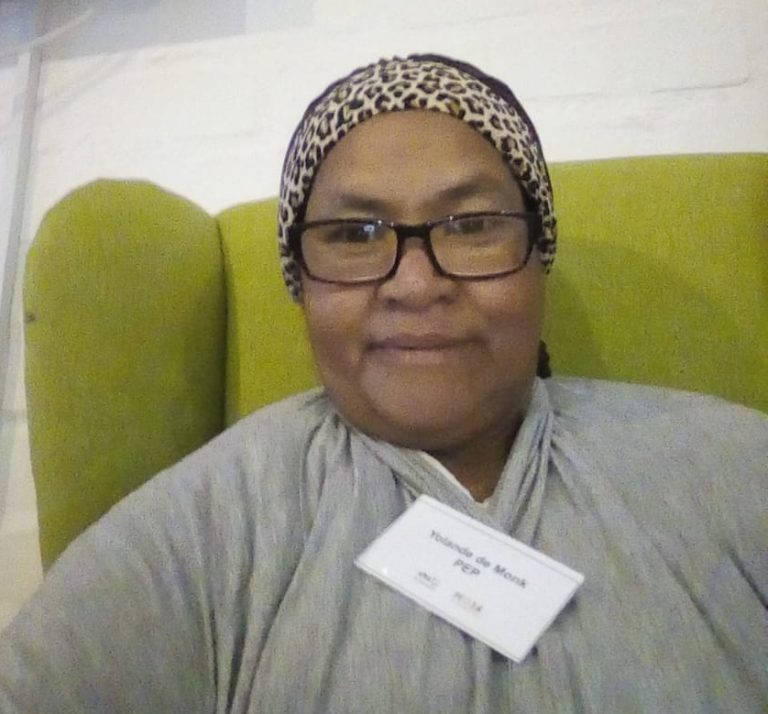
My name is Yolanda Anderson-de Monk, and I have been living in Overcome Heights Informal Settlement, Seawinds Cape Town, since January 2006. I'm a mother of three, grandmother of eight and great-grandmother of one. I've been unemployed since March 2008 and it has had a severe impact on my family because I was the breadwinner.
I became unemployed – a statistic of South Africa. It's September 2023 now and I'm still part of the 32.6% of people who are unemployed, according to Statistics South Africa. The impact on some breadwinners is severe, especially those who didn't receive any benefits such as a retrenchment package, or a pension fund, or unemployment insurance (UIF). Many were just on a stipend like me.
After I became unemployed, standing in feeding kitchen lines became the norm. People would apply for employment, yet your qualifications and age would be a problem. As a breadwinner, a person becomes depressed and despondent thinking about how to take care of the family. Unemployed people do every odd job possible to earn an income and even resort to doing recycling, just to take care of the family. There are some that even become suicidal due to family pressure and they may mentally break down. Their physical health is also affected.
Unemployed people want to work and, at present, government programmes are not at all inclusive. Take the Expanded Public Works Programme (EPWP), for example. A person always sees the same people being employed, even though both youth and adults apply. Why do the same people always get employment with the EPWP? Yes, the programme also creates skills, but everyone needs to get an equal opportunity to grow and provide for their families. Entrepreneurship is also good, but the government should at least provide start-up capital for those unemployed people who are interested in working afterwards.
After losing employment, unemployed breadwinners are in a more difficult situation than other employed people because they have to provide for their families, and many of them are struggling today in South Africa. Marginalised communities are bearing the brunt and they feel the impact of unemployment the most.