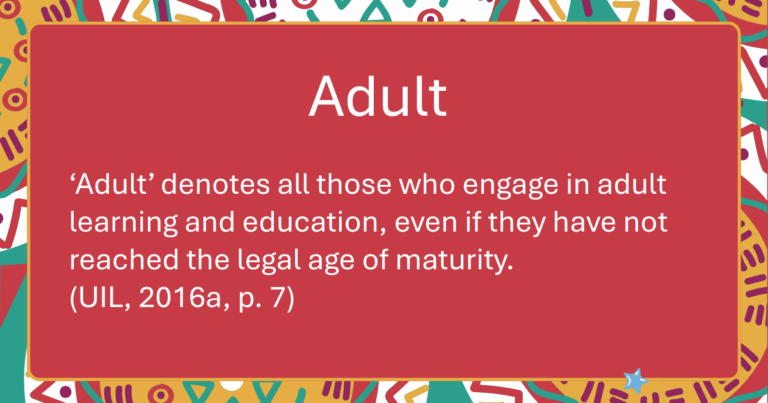
Transformative Impact of Adult Education Initiatives in Uganda
Uganda
The Commissioner of the Ministry of Gender, Labor and Social Development recently shared his assessment of the Status of Uganda’s Adult Education System:
Systematic adult education is a key component of human capital quality that is essential for employability, higher incomes, sustainable economic growth, and peaceful societies.
(Mr. Everest Tumwesigye)
During a recent parliamentary session in Berlin, Germany, the Ugandan Commissioner for Community Development and Literacy at the Ministry of Gender, Labour, and Social Development shared some insights into Adult Learning and Education (ALE) in the African country. The event, entitled Hardly Known. Often Used. Social Structures for Social Challenges Worldwide, was attended by the Director of DVV International, Uwe Gartenschlaeger, Ms. Gwendolyn T. Pang, Secretary General of the Philippine Red Cross, and Ms. Camila Japp from DGRV Brazil, alongside Minister Svenja Schulze, among others.
A key focus of the event was a presentation by Mr. Everest Tumwesigye providing a comprehensive overview of Uganda’s efforts in ALE, highlighting the pivotal role of Community Learning Centres (CLCs) and the collaborative efforts in partnership with DVV International. He emphasized the transformative impact of these initiatives on communities and the necessity for continued support to sustain and expand programmes. Some key areas discussed included successful approaches towards the establishment of a holistic national ALE system and the integration of multisectoral adult education services. He also drew attention to the measurable milestones reached during the almost 10-year journey of cooperation with DVV International.
A Collaborative Journey Towards Educational Empowerment
Nine years ago, Uganda started a partnership with DVV International aiming to help build a comprehensive national system of adult education. This collaboration has brought together government ministries, departments, and various agencies in a unified effort to address the educational needs of out-of-school youths and adults. The ALE system encompasses various elements that collectively create synergies for sustainable, effective, and efficient adult learning and community education programmes.
Building a Sustainable Framework
Mr. Tumwesigye emphasized the importance of achieving sustainability through technical and financial support embedded within government structures. As a result of this support, the Integrated Community Learning and Wealth Creation (ICOLEW) Programme was piloted as a national flagship programme. CLCs are a vital aspect of the programme, ensuring the provision of needs-oriented integrated adult education services at the community level, including basic education and literacy, health, agricultural skills, vocational training, and more. The Commissioner worked in collaboration with the Ministry of Finance, Planning, and Economic Development for the provision of its inclusion in budget planning, thereby ensuring nationwide implementation and the expansion of CLCs.
Milestones and Achievements
Apart from the development, piloting and upscaling of ICOLEW Programme, the progress in building the ALE system has been marked by several milestones, including:
- Consensus Building and Peer Review: A peer review process conducted in 2021 laid the groundwork for achieving a national consensus on the current state and future direction of adult education in Uganda.
- National Strategy: The launch of the National Non-Formal Adult Learning and Community Education Strategy in 2023 was a significant achievement, supported by system assessments and ongoing collaborative efforts.
- Community Learning Centres: Establishing 11 functional CLCs across the country has brought education and essential services closer to underserved communities, making lifelong learning a reality for communities around the country.
Impact on Communities
ALE initiatives have had a profound positive impact on communities. For example:
- Increased Literacy Rates: The adult literacy rate has improved from 72.2% in the financial year 2014/15 to 74% in 2019/20, empowering more individuals with skills needed for socio-economic development.
- Financial Literacy and Economic Empowerment: Adult learners have cultivated a culture of savings, borrowing, and investing, with cumulative savings amounting to 740,332,700 Ugandan Shillings (approximately $197,422) between 2016/17 and 2018/19.
- Gender Equality and Empowerment: Educational programmes have increased awareness of women's rights, improved self-esteem, and fostered gender equality, leading to greater female participation in governance and decision-making.
- Community Engagement: Communities are participating more actively in government programmes, contributing to sustainable development and improved governance at local levels.
The Need for Continued Support
Mr. Tumwesigye stressed the critical need for ongoing support to sustain and expand these initiatives.
DVV International, with the support of BMZ [German Federal Ministry for Economic Cooperation and Development] and its Social Structure Promotion Instrument [SSF], has been able to build a long-term partnership with the Ministry and all relevant stakeholders in the process."
The collaborative efforts with DVV International have been instrumental in building a solid foundation for adult education in Uganda. Continued support will ensure the further development of the ALE system, reaching more individuals and communities, and helping foster continued socio-economic transformation.
As we reflect on these achievements, it is clear that the work done so far has laid a robust groundwork for the future.
Community Learning Centres bring education closer to the people and they bring to life the concept of lifelong learning.
ALE initiatives are more than just educational programs; they are catalysts for change, empowering individuals and communities, and driving national development. It is crucial that these efforts continue to receive necessary support to continue making a significant impact.