Spotlight on Literacy: Christopher Olur’s Journey from Illiteracy to Empowerment
Uganda
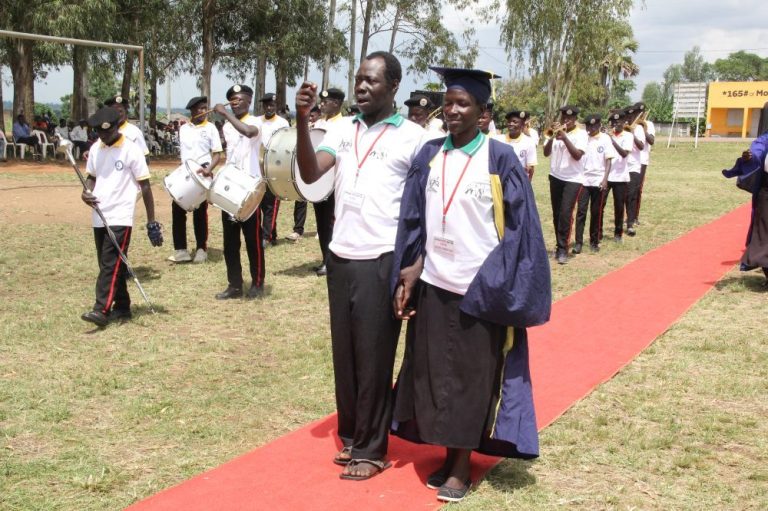
Christopher Olur, 54, lives in Pabali, Uganda. Married with seven children, all of whom attend school, Christopher’s journey to literacy began in 2021 when he joined the Kwan Aye Anyim Community Empowerment Group (CEG).
Motivation and Challenges
Christopher was motivated by a desire to overcome the stigma associated with illiteracy. During community meetings, he often felt marginalized because he couldn't read or write, relying on others to help or using his thumbprint for signatures. This not only affected his confidence but also made him vulnerable to being cheated in development programs and business dealings.
As the eldest in his family, Christopher’s childhood was spent taking care of his siblings and helping his parents on the farm, leaving no time for formal education. Learning as an adult came with its own set of challenges. Initially, Christopher faced ridicule from friends and struggled with reading and writing long words. The COVID-19 pandemic further disrupted his learning. However, with perseverance and the support of his wife, Christine Adong, who was also in the same class, Christopher succeeded. After two years and nine months, he graduated, a testament to his determination.
Transformation and Impact
For Christopher, literacy has been transformative. He is now a respected member of his community, no longer reliant on others for reading and writing tasks. His newfound skills have enabled him to engage in business, save money, and improve his family's wellbeing through the Village Savings and Loan Association (VSLA). His household even received government funds to enhance their agriculture and retail business.
Christopher’s achievements were recognized when he and his wife represented adult learners at the International Literacy Day symposium in Kampala, marking his first trip to the capital city and an opportunity to share his testimony before a distinguished audience.
A Message of Encouragement
Christopher urges other adults not to fear literacy classes, highlighting the broader benefits beyond just reading and writing. He also encourages men to support their wives in becoming literate, emphasizing how a literate wife can significantly improve family welfare.
Join us in celebrating the power of literacy and its impact on individuals and communities worldwide.