Farmer education: The panacea to food insecurity
Malawi
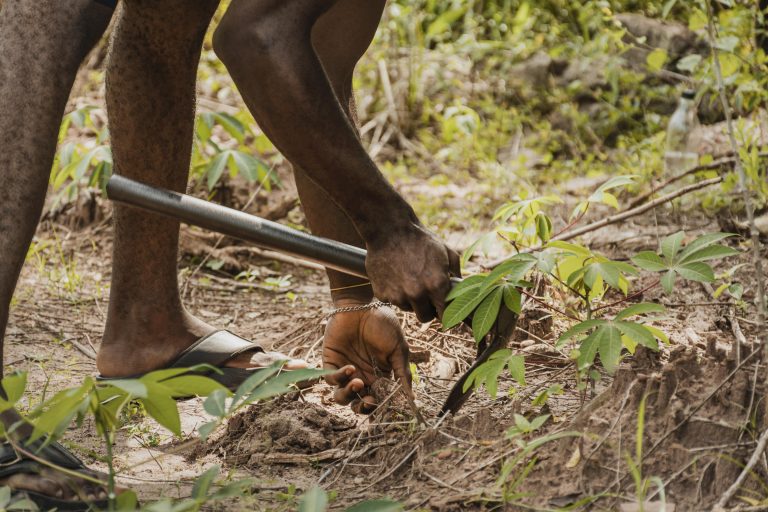
Food insecurity is a persistent challenge in many parts of Africa, including Malawi.
This problem, characterized by inadequate access to nutritious food, is exacerbated by climate change, poverty, and insufficient agricultural knowledge. However, one critical solution lies in enhancing farmers’ education. By equipping smallholder farmers with modern agricultural skills, climate-smart practices, and business knowledge, communities can break the cycle of food insecurity and build resilient food systems.
Education in agriculture empowers farmers to adapt to changing conditions and improve productivity. In countries like Malawi, agricultural extension programmes play a vital role in disseminating knowledge on new farming techniques, climate adaptation, and sustainable agricultural practices. Farmers who receive training are more likely to adopt innovative methods such as crop rotation, use organic fertilizers, and improve water management systems, all of which contribute to higher yields and better livelihoods.
In Malawi, the Ministry of Agriculture’s extension services provide training to farmers on climate-smart practices like conservation, crop diversification, and sustainable water use. This education enables farmers to better withstand erratic rainfall and prolonged droughts caused by climate change. One successful example is the implementation of farmer field schools (FFS) in rural areas. These schools provide hands-on training, allowing farmers to learn techniques such as planting drought-resistant crops, which can increase food production even under adverse conditions. According to a study conducted by FAO, farmers who attended FFS (Farmer Field Schools) in Malawi reported a 47% increase in maize yields, a key staple crop.
These improvements have led to more stable food supplies in communities, reducing hunger during the lean season. Other African countries have also demonstrated the importance of farmers’ education in addressing food insecurity. In Kenya, the training of farmers in agroecological methods has boosted food production while maintaining environmental sustainability. A notable initiative is the ‘‘One Acre Fund,’’ which provides smallholder farmers with education, inputs like seeds and fertilizers, and market access.
This combination of education and source support has allowed Kenyan farmers to double their efforts in as far as market access is concerned. This combination of education and resource support has also allowed them to double their yields, providing surplus food for their families and generating additional income. In Ethiopia, agricultural extension services have played a pivotal role in improving food security. By educating farmers on integrated pest management (IPM) and soil fertility management, Ethiopia has been able to reduce crop losses and improve harvests. The government’s focus on educating farmers on watershed management has also helped mitigate the impacts of soil erosion, which threatens food production in many regions.
In Malawi, initiatives that educate farmers in agribusiness have also proven effective in tackling food insecurity. I once had a short tenure in this role with the Malawi Ministry of Agriculture in Machinga while I was working as an agriculture extension development officer. Whereby I observed how farmers equipped with business communication, record-keeping, and risk management skills were able to increase their income through cooperatives and local markets.
This approach empowered them to invest more in farming inputs, improve crop quality, and ensure food availability for longer periods. Moreover, through education, farmers learn how to access markets and financial services, which are very vital for sustaining agricultural productivity. For example, in rural Malawi, cooperatives trained in record-keeping and marketing strategies have seen a marked improvement in food security and household income.
In conclusion, farmer's education is a cornerstone in the fight against food insecurity in Africa. By teaching smallholder farmers sustainable farming practices, climate resilience, and business skills, agricultural extension programs and initiatives like farmer field schools and agribusiness training are helping farmers boost productivity, improve food availability, and create sustainable livelihoods. Examples from Malawi, Kenya, and Ethiopia show that when farmers are educated, they can better navigate the challenges posed by climate change, market access, and food insecurity. Investing in farmers’ education is a long-term solution that lifts communities out of food insecurity and builds resilient agricultural systems for future generations.